

Our Clients:










Why Does My Lawn Look Thin?

What Time Of The Year Is The Best To Hydroseed?
February 24, 2026
Consistent lawn care services play a vital role in giving your property an excellent curb appeal. However, it is a demanding activity that will take a good amount of your time. One of the most basic results of a neglected lawn is patchy and thin grass. If you’ve ever wondered why your yard appears distasteful, this blog post discusses some of the reasons why your lawn might look thin and how to fix some of the issues you might be facing!
Compacted or Hard Grass
If you’ve ever walked barefoot on your lawn, you know how soft and luxurious it feels under your feet. However, walking or driving over the grass will eventually harden and compact the soil below. As a result, grassroots become constricted as they attempt to grow through a compacted soil surface– leaving behind a weak and thin lawn.
To fix this problem, you should use a core aerator to pull out small plugs from the lawn. This should allow water and nutrients to reach deeper layers of soil – giving grassroots plenty of room to grow! You can also try to overseed your lawn surface with a blend of turf grass seed designed for thinning or bare patches.
Inadequate Fertilizer
Many people neglect their lawns to save money and time by not applying fertilizer or herbicides when needed. However, a lack of nutrients can result in thinning grass that quickly goes into shock whenever there is little to no sunlight (i.e., during winter months). Prevention is always the best solution when it comes to seed germination and lawn maintenance.
Make sure that you apply fertilizer in accordance with your local growing season and grass varieties. There are warm-season grasses and cool-season grasses (i.e., Kentucky Bluegrass, Tall Fescue, Perennial Rye Grass, etc.) so that you can prevent nutrient deficiencies from occurring! It’s also essential to conduct a soil test to determine the soil pH. If it’s too acidic or alkaline, you can purchase some lime or sulfur powder at local gardening stores and carefully apply them as per the package instructions for best results!
Weeds are Thriving
Weeds are another cause of thin lawns. If they start to grow in your lawn, this will also cause thinning grass because they use the same nutrients that your grass needs to thrive! You should carefully identify which type of weed is growing in your lawn and whether it’s an annual or perennial plant. If you’re not sure, there are plenty of websites online that can help you distinguish between common weeds found in most yards.
If these plants have already become too established in your lawn, you should consider hiring a professional service to remove them and repair the existing grass. However, if they’re still young and easy to pull out from the bare soil, remember to take care of this problem as soon as possible before weeds spread even further! Don’t forget your lawnmower too.
Too Much Shade or Sunlight
If there are plenty of trees surrounding your home, you’re going to have a hard time maintaining a thick and healthy green lawn. Intense shade blocks sunlight that grass needs to grow. If you’re looking for ways to fix this problem, homeowners are advised to consider removing trees or finding another suitable location to maintain their lawns!
As long as there is enough sunlight hitting your yard, this will allow new grass to grow into well-established turf that can easily resist other issues such as weeds or insects! If your neighborhood is full of tall trees that block out the sun from shining down on your property, think about taking some drastic actions before gardening. You can remove a few trees or even cut back the shaded areas so that there’s enough sunlight hitting your entire lawn throughout the day! It might look ugly for a while, but this will get better with time.
Insects and Diseases
Insects and diseases are common causes of thinning lawns. In some cases, the insects will invade your lawn to lay eggs or feed on the roots of plants. As a result, this leaves turf susceptible to dead grass because it has fewer reserves (i.e., less nitrogen) than before! In the same way, diseases also affect the health of grass by attacking the leaves or roots of plants so that they can no longer absorb water and nutrients. To avoid this, contact a professional service for help whenever you have a disease or insect infestation issue before it gets out of hand.
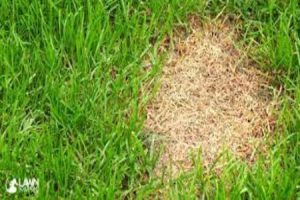
Roots are Exposed
One reason for grass thinning out too much is when you start seeing exposed root systems! These areas will quickly dry up because there isn’t enough grass to hold them together in one place. Property owners should closely monitor these areas and make sure to water them every day! To fix this problem, you can try to carefully reseed the patchy areas with grass seed and make sure to water them regularly until they’re well-established.
Lack of Moisture
When you fail to water your lawn, this will cause all the grass to dry up and turn into a straw-like color. As a result, it can lead to thin grass due to reduced overall soil coverage for roots! Make sure you apply enough water so that your entire yard gets moistened from top to bottom by using sprinklers or hoses. You should also try to avoid watering your lawn during the day because it will evaporate too quickly!
Let Us Care For Your Lawn!
Lawns will always look thin if they’re not properly taken care of. If you don’t fertilize your grass regularly, apply weed killers when necessary, or remove any diseased plants as soon as possible, you might find yourself with irreversible damage by mid-summer. At Country Green Turf Farms, we have hydroseeding experts that can help your lawn look thicker, fresh, and healthier as ever. Contact us today!